Revamp Your Outdoor Area: Insights From a Skilled Landscaping Professional
Revamping an outdoor space requires deliberate assessment and preparation. An experienced landscape designer underscores the necessity of reviewing the present outdoor features and establishing designated zones for different purposes. Adding hardscape features can improve the overall usability of the area. Furthermore, choosing appropriate vegetation and illumination can greatly impact the general ambiance. Understanding these elements is essential. How can one successfully execute their outdoor design goals?
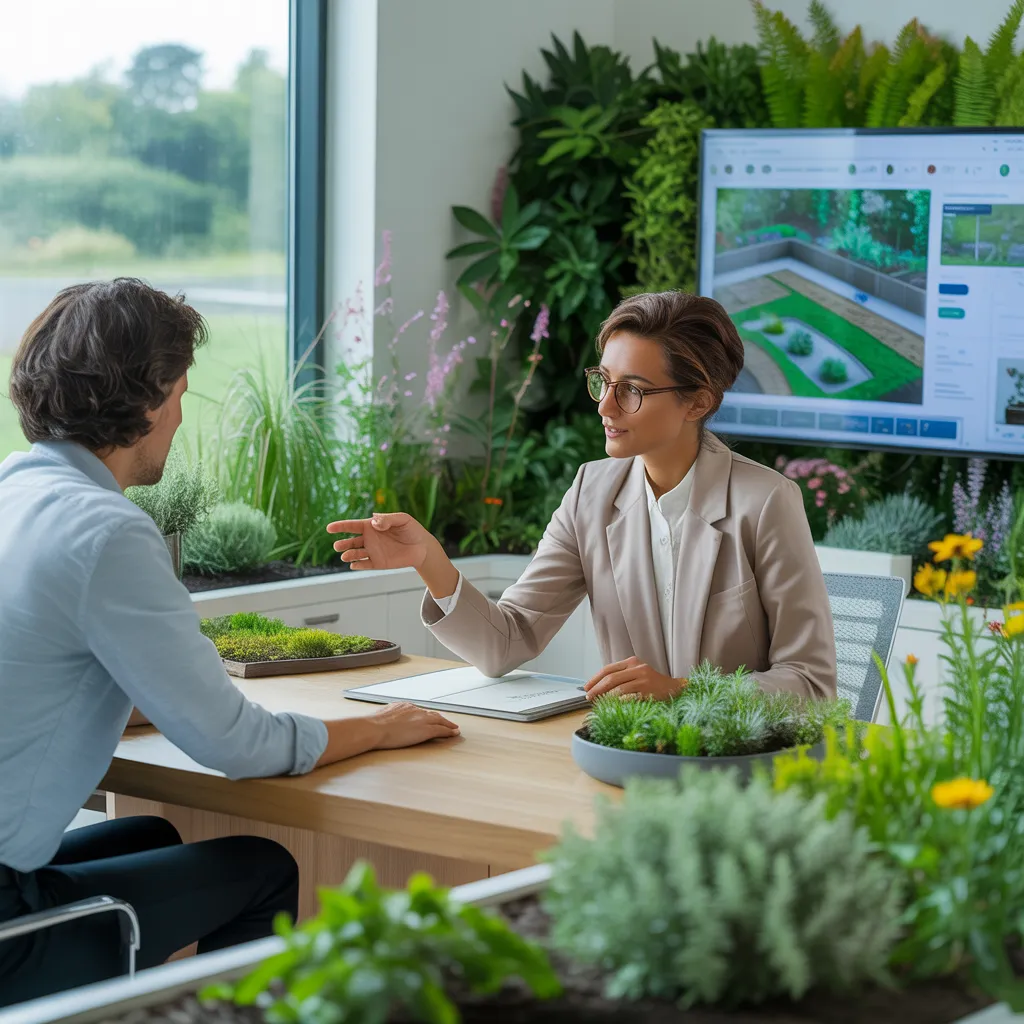
copyrightine Your Outdoor Area: Pinpoint Important Improvements to Consider
How should one go about copyrightining an outdoor space to pinpoint required modifications? First, a thorough inspection of the area is essential. This includes copyrightining the functionality of existing features such as pathways, seating, and lighting. Noting how these components work together can uncover opportunities for enhancement. Furthermore, it is important to evaluate the general state of vegetation and landscaping supplies, identifying sections that might need upkeep or renewal.
Moreover, gauging the area's practicality is essential. Have zones been established for relaxation, entertainment, or gardening? Spotting overlooked areas can expose chances for upgrading. Key environmental elements, including sun exposure and water drainage, should also be considered, as they influence plant vitality and the overall experience.
Lastly, obtaining insights from household members or frequent guests can offer helpful perspectives. When merging firsthand observations with outside feedback, a detailed plan can be established for successfully redesigning the exterior space.
Define Your Style: Picking the Best Design for Your Yard
Choosing the right style for a yard commences with determining personal preferences. Discovering different landscaping styles can assist people create a place that reflects their style and suits their requirements. By carefully evaluating these factors, individuals can convert an exterior space into a harmonious and welcoming retreat.
Determine Your Preferences
When establishing the character of a garden, one should take into account personal style and the overall aesthetic vision. This approach begins by evaluating individual tastes, whether leaning towards modern minimalism, rustic charm, or vibrant tropical themes. A thoughtful consideration of color palettes, plant types, and landscape features can direct selections that reflect the desired vision. Additionally, practical considerations such as local weather conditions, upkeep requirements, and spatial constraints must be factored into choices. Considering the intended purpose of the garden—whether designed for social gatherings, peaceful retreats, or active cultivation—can further refine preferences. In the end, recognizing these aspects establishes a harmonious plan that elevates the exterior space and embodies the resident's individuality and daily habits, setting the foundation for a truly personalized garden experience.
Discover Garden Themes
copyrightining landscape styles enables homeowners to establish a unique outdoor aesthetic that aligns with their personal tastes and way of life. A range of styles, such as Mediterranean, modern, or cottage, offer unique elements that can be tailored to personal preferences. A cottage garden, characterized by its informal layout and diverse plantings, conveys character and coziness. Conversely, a contemporary outdoor space focuses on sleek design and simplicity, frequently featuring paved surfaces and modern elements. Mediterranean garden styles inspire a sense of tranquility, featuring drought-resistant plants and vibrant colors. While deciding on a design theme, home dwellers should evaluate key aspects like climate, maintenance requirements, and personal style. In the end, a thoughtfully chosen landscape style goes beyond boosting the outward appearance while also establishing a harmonious garden setting that embodies the owner's personal character.
Introduce Hardscaping for Structure
To improve the overall aesthetic of an outdoor area, adding hardscaping components delivers fundamental structure and harmony. Hardscaping encompasses the non-living elements including patios, pathways, retaining walls, and ornamental stones that create defined spaces within the landscape. These features enhance both practicality and visual appeal, channeling movement and defining key focal points.
To illustrate, a strategically positioned stone pathway can direct people through a garden, while a raised patio can serve as an outdoor living area, offering a clear shift from the home to the yard. Additionally, including materials like brick, pavers, or natural stone can elevate the appearance and resilience of the space.
Integrating hardscaping not only minimizes maintenance by reducing grassy areas but also allows for unique design concepts that reflect individual style. Ultimately, these components lay the groundwork for a unified outdoor setting, integrating naturally with the natural surroundings.
Pick the Best Plants for Your Climate
When choosing plants for outside environments, understanding the local climate is vital. This understanding facilitates the identification of locally suited plants, which are often more resilient and better adapted to the environment. By choosing the right species, gardeners can enhance their landscape's sustainability and visual appeal.
Analyze Your Local Climate
Comprehending the surrounding climate conditions is vital for picking the ideal plants, as it directly influences their growth and survival. Factors such as temperature variations, ambient humidity, rainfall, and solar exposure hold significant importance in establishing which plants prosper. For instance, zones with scorching summers and moderate winters may benefit drought-hardy specimens, while regions receiving abundant precipitation might accommodate moisture-thriving plants. Landscape cultivators should also factor in seasonal transitions and microclimate conditions within their garden space, as these can considerably alter plant performance. By studying local weather patterns precisely, one can create a tailored planting strategy that not only enhances aesthetic appeal but also promotes a long-lasting and robust garden landscape. This method results in stronger plants and decreased upkeep requirements.
Benefits of Native Plants
Opting for native plants for a garden complements the insights gained from evaluating the local climate. These plants are adapted to local conditions, demanding reduced water, fertilizer, and maintenance compared to non-native species. They thrive in specific soil types and weather patterns, fostering healthier ecosystems. In addition, native plants draw in local pollinators, such as bees and butterflies, which are essential for biodiversity. When including native species, homeowners can establish sustainable landscapes that sustain wildlife while boosting the aesthetic value of their outdoor spaces. What is more, these plants often demonstrate resilience against pests and diseases common to the area, minimizing the need for chemical interventions. Ultimately, selecting native plants fosters a harmonious relationship between the garden and its local ecosystem.
Enhance Your Space With Outdoor Lighting
Setting the perfect mood with outside lighting can transform any space into a cozy retreat. Strategically placed lights can highlight architectural features, pathways, and gardens, enhancing the overall aesthetic. Subtle, warm light is excellent for crafting a hospitable environment, while string lights or lanterns can bring a charming element to exterior entertaining.
Experts suggest using layered lighting to create visual depth. For instance, integrating ambient, task, and accent lighting can produce a well-balanced atmosphere. Installing motion sensor lights improves home security while also providing functional illumination.
In addition, using dimmers allows for flexibility, enabling adjustments based on the occasion. Solar-powered lights represent a green alternative that demands little upkeep, making them appropriate for numerous outdoor spaces. Ultimately, strategic outdoor lighting not only increases safety but also promotes rest and social engagement, turning any outdoor space into a more pleasant environment.
Personalize Your Space: Creative Concepts to Beautify Your Garden Area
Outdoor spaces can be significantly elevated by incorporating personal elements that showcase personal taste. Integrating unique garden ornaments, such as sculptures or wind chimes, can form striking centerpieces that capture attention. Picking vivid planters or stylish pots infuses lively color, while trellises adorned with climbing plants introduce vertical interest.
Personalized seating areas, incorporating cushions in assorted patterns and textures, invite relaxation and conversation. Garden pathways bordered by pebbles or engaging stepping stones can lead guests across the area, elevating the entire atmosphere.
Adding elements like bird feeders or butterfly houses adds charm while also attracting wildlife. Moreover, featuring seasonal decorations, such as spring flowers or autumn gourds, maintains a lively and refreshing garden atmosphere across every season.
Maintain Your Oasis: Essential Care Tips for Lasting Beauty
Tending to a thriving garden needs consistent care to make certain its splendor persists through the changing seasons. Frequent watering is crucial, particularly during dry spells, making sure that plants context information receive the right amount without getting oversaturated. Placing mulch near plants helps maintain moisture and control weeds, contributing to a healthier garden. Trimming is a vital responsibility; it promotes new growth and removes dead or diseased branches. Applying fertilizer should be done according to plant needs, providing necessary nutrients for colorful blooms and dense foliage.
Weed control is critical; a proactive approach prevents competition for resources. Periodic seasonal evaluations allow for the early identification of pests and diseases, making it possible to address issues before they escalate. Furthermore, routine lawn maintenance such as mowing and aeration enhances the overall aesthetic appeal. By implementing these necessary care tips, an outdoor space can thrive, becoming a timeless retreat that brings joy and beauty for years ahead.
Maximize Your Outdoor Space After Dark
How does one fully experience an exterior living space once darkness falls? Proper lighting transforms the ambiance, highlighting garden features and forming welcoming walkways. Subtle, warm fixtures can highlight the natural greenery, while string lights add a whimsical touch. Incorporating lanterns or candles creates a warm and inviting setting, suitable for social events or relaxing moments.
In addition, adding outdoor heating elements or fire pits prolongs functionality, allowing for comfort and warmth throughout chilly nights. Sound elements, for copyrightple gentle music or water features, can elevate the sensory experience, creating a more vibrant atmosphere.
The choice of furniture also plays an important role; cozy seating fosters a sense of ease and togetherness. Finally, consider incorporating night-blooming plants to add fragrance and visual interest after dark. Through careful attention to these details, one can craft a captivating outdoor retreat that comes alive in the evening, welcoming discovery and delight well after the sun goes down.
Frequently Asked Questions
What Is the Best Way to Budget for a Landscaping Project?
In order to budget for a landscaping project, it is important to identify the desired elements, obtain quotes from landscaping experts, consider the costs of materials and labor, and allocate a contingency reserve for unexpected expenses throughout the process.
What Are the Optimal Times of Year for Landscaping?
The ideal times for landscape work are typically early spring and fall. Throughout these periods, conditions are temperate, enabling plants to develop strong roots before winter or summer heat, promoting healthier growth and optimal outcomes for your landscaping endeavors.
Can I Do Landscaping Myself or Hire a Professional?
Individuals can choose to landscape themselves or bring in a landscaping expert, based on their expertise, schedule, and scope of work. Evaluating one's capabilities and desired outcome typically establishes the ideal path forward for landscaping.
How Do I Choose the Right Landscaper for My Project?
To choose the right landscaper, individuals should evaluate portfolios, verify references, evaluate experience, and ensure alignment with project vision. Additionally, obtaining multiple quotes can help gauge pricing and services offered for well-informed decision-making.
What Are the Most Common Landscaping Mistakes to Avoid?
Common mistakes in landscaping include planting too densely, overlooking soil quality, disregarding local climate, neglecting maintenance needs, and failing to account for growth. Adequate research and well-considered design strategies can help sidestep these challenges for a flourishing landscape project.